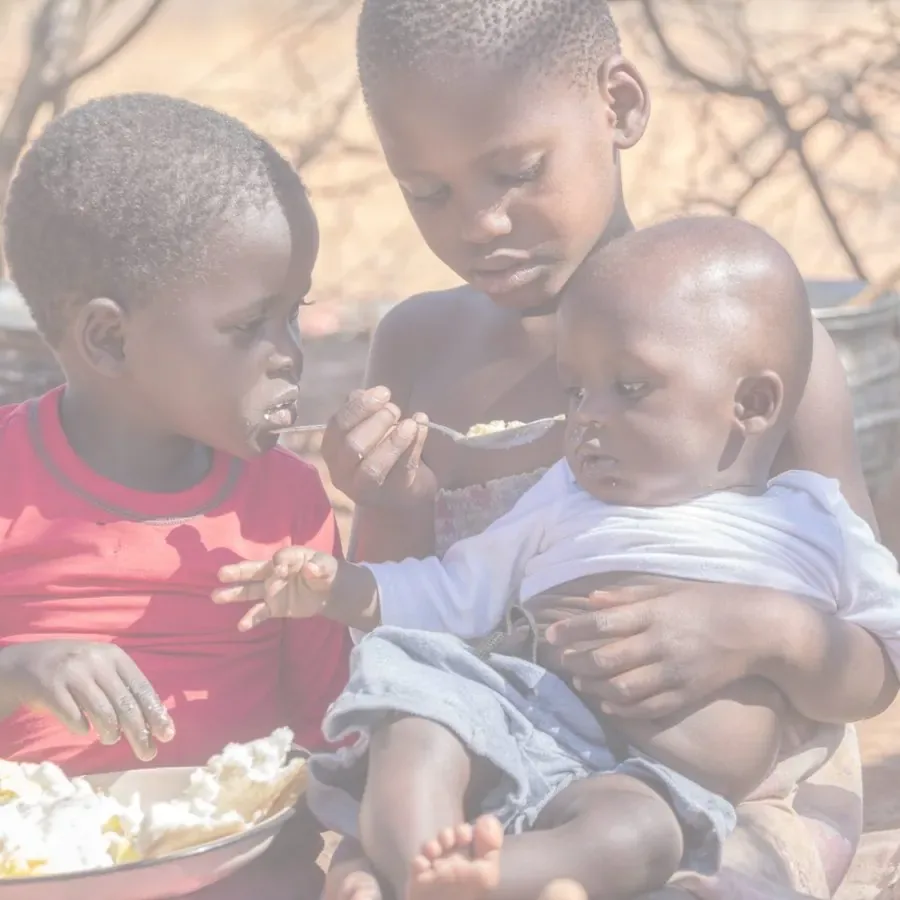
01 / HEALTH
Health
Public health, reproductive and maternal health, disease prevention, service access, community health and health-system performance.
We work across the development sectors where programme context, service systems and community realities directly shape what should be asked, who should be reached and how evidence should be interpreted.
Our core sector work covers Health, Education, WASH, Agriculture & Food Systems, Gender & Inclusion, and Climate & Environment.
Public health, reproductive and maternal health, disease prevention, service access, community health and health-system performance.

Access, retention, learning outcomes, teacher performance, curriculum reform, skills development and transitions from school to work.
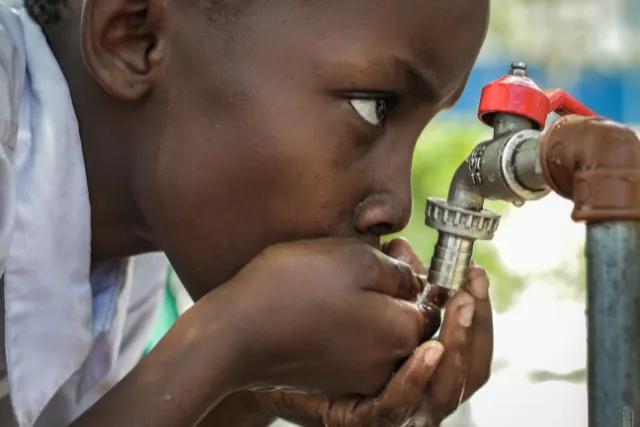
Water and sanitation access, hygiene behaviour, service sustainability and WASH in schools, rural settings and humanitarian contexts.

Farmer support, agricultural inputs, food production, nutrition, market access, smallholder resilience and rural transformation.

Gender norms and power, GBV, disability inclusion, participation, equitable access and differential programme outcomes.

Climate vulnerability and adaptation, natural-resource governance, community resilience and locally led environmental responses.
Some research questions do not sit neatly inside one sector. These themes often shape the sampling, safeguarding, analysis and programme decisions across our work.
Household welfare, income, skills, informal economies, enterprise, labour-market transitions and economic resilience.
Participation, wellbeing, education, SRHR, skills, transitions, aspirations and access to opportunity.
Citizen experience, trust, public services, civic participation, transparency and accountability in programme delivery.
Protection risks, sensitive disclosures, referral pathways, safe participation and safeguarding systems for vulnerable groups.
Migration drivers, refugee and host-community needs, mobility, access to services and displacement-related vulnerability.
Food access, household vulnerability, nutrition behaviours, programme reach and resilience to economic or climate shocks.
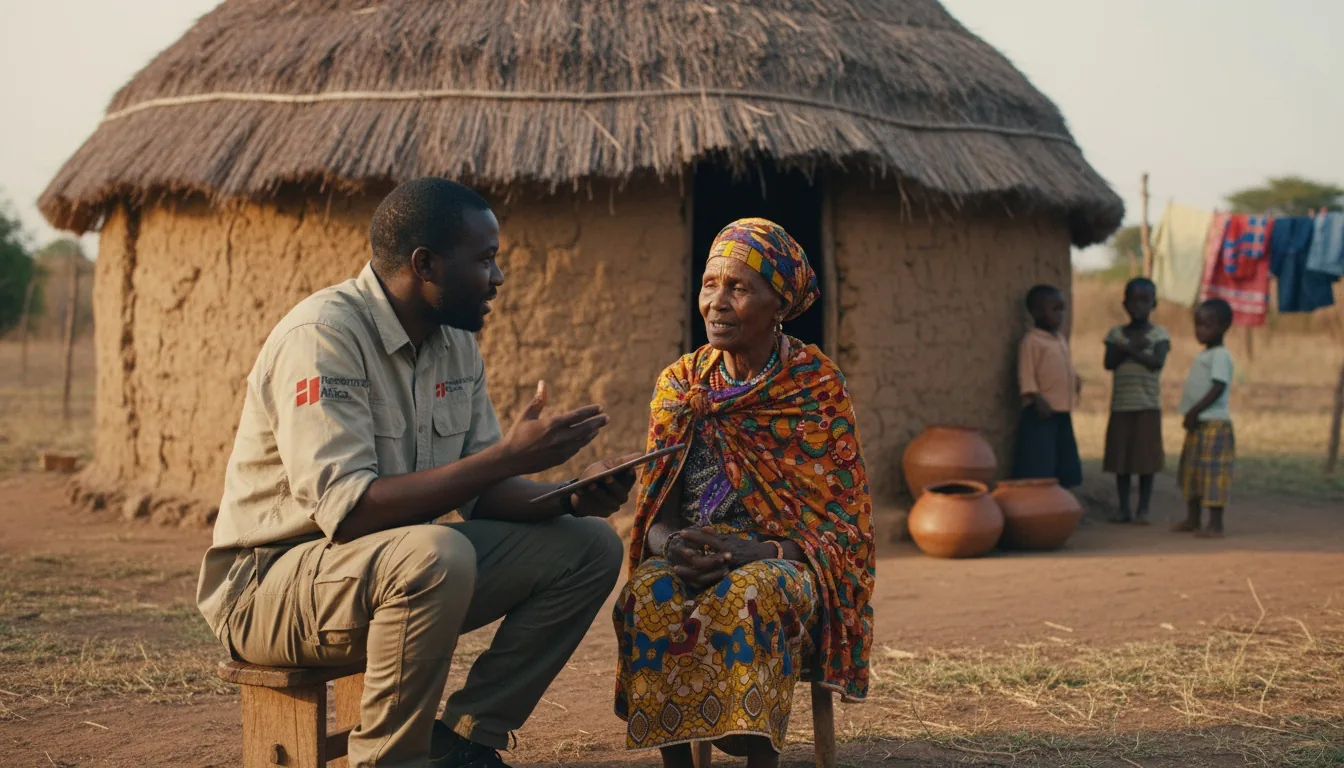
We examine household welfare, income, work, vulnerability, market access and coping strategies to understand how economic conditions shape programme outcomes.
Sector expertise is useful only when it improves the research itself. We use it to sharpen the question, reach the right participants and interpret evidence against the systems people actually navigate.
Translate programme objectives into research questions and indicators that reflect the actual service, behaviour or outcome being studied.
Sampling and recruitment account for programme eligibility, service pathways, mobility, vulnerability and hard-to-reach populations.
Language, concepts, consent processes and response options are tested against local understanding rather than assumed from generic instruments.
Findings are read against programme design, service constraints and implementation realities so recommendations can be acted on.
We can lead the full study, provide specialist field implementation, or support one defined component of a wider programme or evaluation.
Research design, instruments, sampling, fieldwork, analysis and reporting built around a sector-specific programme question.
Explore research services →Local recruitment, multilingual instruments, quantitative and qualitative fieldwork, supervision and real-time quality control.
Explore data collection →Use the Projects portfolio to review examples across health, education, livelihoods, protection, agriculture, governance and other thematic areas.
View projects →Share the programme, geography and decision you need the evidence to support. We will recommend the appropriate research and fieldwork approach.