Monday – Friday · 9AM – 6PM
8th Floor, Western Heights, Westlands, Nairobi+254 711 820 066projects@research360-africa.com
RESPONSIBLE SOCIAL RESEARCH

Research involving people carries responsibilities beyond the method.

Our approach brings informed consent, safeguarding, confidentiality, participant welfare and responsible data handling into study design and field delivery from the outset.

OUR APPROACH

Ethics and safeguarding are built into study design.

The ethical requirements of a study depend on who is participating, what is being asked, the sensitivity of the topic, the operating context and the applicable client, institutional or national requirements.

During mobilisation, Research360 works with the client or lead research team to establish the study-specific requirements before fieldwork begins. This includes the consent process, privacy conditions, safeguarding responsibilities, referral or escalation arrangements, data-access rules and any formal approvals required for the assignment.

We do not assume that one protocol fits every study. Additional controls are applied where research involves children, adolescents, survivors of violence, displaced populations, people with disabilities or other participants who may face heightened risk.

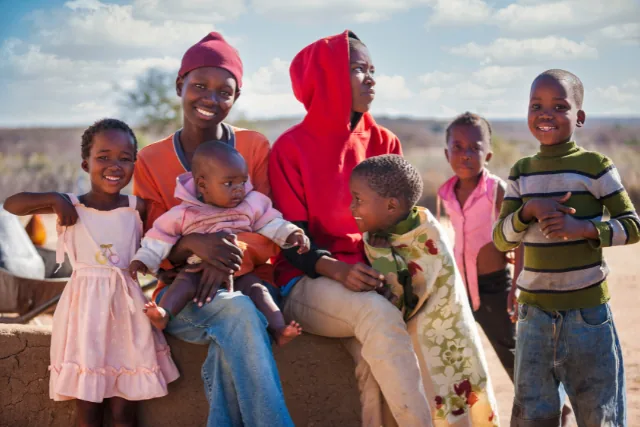
Research360 social research field engagement
CORE PRINCIPLES

Participant welfare and research integrity guide field decisions.

These principles are translated into study-specific procedures, interviewer training and field supervision rather than treated as general statements.

01

Informed consent

Participants are told what the research involves, how information will be used and that participation is voluntary, using language and formats appropriate to the study population.

02

Privacy & confidentiality

Interview settings, tool design and data handling are planned to reduce unnecessary disclosure of personal information and protect confidentiality.

03

Do no harm

Research procedures are reviewed for foreseeable participant and field-team risks, with adaptations made where questions, locations or recruitment approaches could increase harm.

04

Safeguarding

Field teams receive study-relevant safeguarding instructions and clear escalation routes for concerns or incidents encountered during research activities.

05

Respect & inclusion

Recruitment, language, accessibility and interviewer conduct are adapted to reduce exclusion and support respectful participation across different respondent groups.

06

Responsible data handling

Only data needed for the research purpose should be collected, with access, transfer, de-identification, retention and handover arrangements agreed for the study.

ETHICS THROUGH THE STUDY LIFECYCLE

Controls are agreed before the first interview.

Ethical research is operational. It affects how the study is programmed, how teams are trained, how respondents are approached and how incidents and data are handled.

01DesignAssess respondent, topic and context risks.
02ApproveConfirm client, institutional or national requirements.
03PrepareBuild consent, privacy and safeguarding procedures into tools and training.
04CollectApply voluntary participation, privacy and field conduct requirements.
05EscalateDocument and route incidents or protocol deviations appropriately.
06HandoverTransfer, de-identify, retain or dispose of data according to the agreed protocol.
HOW WE ADAPT OUR APPROACH

Study protocols change with the participant and risk context.

For higher-risk studies, safeguarding is translated into practical decisions about recruitment, interviewer profiles, consent, privacy, referrals, escalation and data handling.

01

Research with children & adolescents

We define age-appropriate consent and assent pathways before mobilisation, including who can provide permission, how voluntary participation is explained and how privacy is protected during interviews.

  • Age-appropriate tools, language and interview length
  • Child-safeguarding briefing and clear escalation routes
  • Interviewer selection suited to age, topic and setting
  • Privacy, school or community-entry and referral procedures
Related: Youth & Adolescents →
02

GBV, SRHR & sensitive research

We adapt the field protocol to reduce distress, disclosure risk and unnecessary exposure, while ensuring interviewers understand what to do when a participant needs support or raises a safeguarding concern.

  • Interviewer profile and specialist training matched to the topic
  • Private interviewing and careful question sequencing
  • Distress, disclosure and referral procedures agreed in advance
  • Data minimisation and restricted handling of sensitive variables
Related: Gender & Inclusion →
03

Research with displaced & vulnerable populations

We review recruitment and participation for coercion, gatekeeper influence, accessibility and protection risks, recognising that legal status, mobility and dependency on services can affect how freely people participate.

  • Voluntary recruitment with gatekeeper influence kept in check
  • Language, accessibility and mobility built into the field plan
  • Do-no-harm review for location, timing and respondent contact
  • Safe handling of identifiers, status and other sensitive information
Related: Migration & Displacement →
APPROVALS & ACCOUNTABILITY

Study-specific requirements determine the approval pathway.

Research360 does not describe every assignment as “ethically approved.” Where formal ethical review, institutional approval, research permits or other authorisations are required, fieldwork is planned within the applicable approval framework and client-agreed protocol.

Before launch

Confirm the required approvals, consent/assent process, safeguarding roles, referral routes, privacy conditions, data responsibilities and field-team conduct requirements.

During fieldwork

Supervisors reinforce protocol compliance, monitor deviations, support interviewers and escalate issues through the agreed project channels while corrective action is still possible.

After fieldwork

Data and documentation are handed over according to agreed access and security arrangements, with protocol deviations or incidents documented where required.

FIELD TEAM CONDUCT

Field teams are trained to apply ethical protocols in practice.

Training connects the protocol to the situations interviewers and supervisors are likely to face in the field.

Depending on the assignment, training can cover informed consent, child safeguarding, confidentiality, respondent distress, mandatory reporting boundaries, referral information, privacy during interviews, handling sensitive disclosures, secure device use and incident escalation.

Interviewers are expected to follow the study protocol and field code of conduct. Supervisors are responsible for reinforcing those requirements and documenting issues that could affect participant welfare or research integrity.

DATA PROTECTION

Collect only what the study needs.

Personally identifiable information, contact details, recordings and sensitive variables require explicit purpose and controlled access. The specific security, transfer, retention and deletion arrangements should be agreed with the client or lead research team before collection begins.

Read our privacy approach →
DATA PROTECTION, CONFIDENTIALITY & CLIENT OWNERSHIP

Research data is protected from collection through handover.

Research360 applies the data-protection, confidentiality and ethical requirements agreed for each assignment. Study data is stored and transferred through appropriately secured systems, with access limited to authorised project personnel. Identifiable information is minimised and handled according to the study protocol and agreed retention requirements.

Client data, findings and project materials are not shared, published or reused without appropriate authorisation. At project close, agreed databases, tools, code, transcripts, analyses, documentation and reports are handed over in the required editable and final formats. Ownership, retention and permitted use are confirmed during mobilisation and reflected in the project protocol or contractual arrangements.

PLANNING A STUDY?

Build the ethics and safeguarding requirements into mobilisation.

Share the TOR, respondent profile, geography and any client or institutional protocols already in place. We can incorporate the relevant field controls into the delivery plan.